Discover Moo Woo Korean Bbq
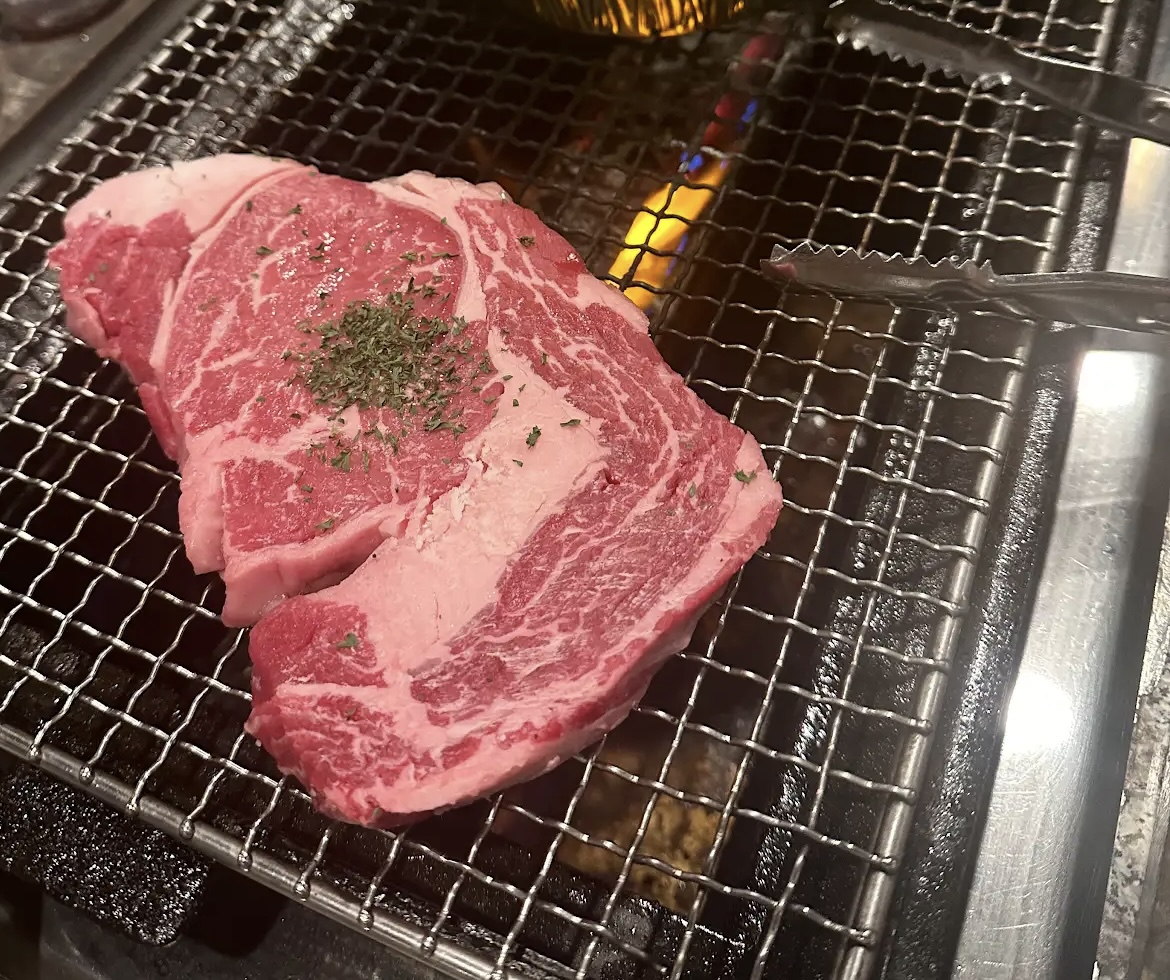
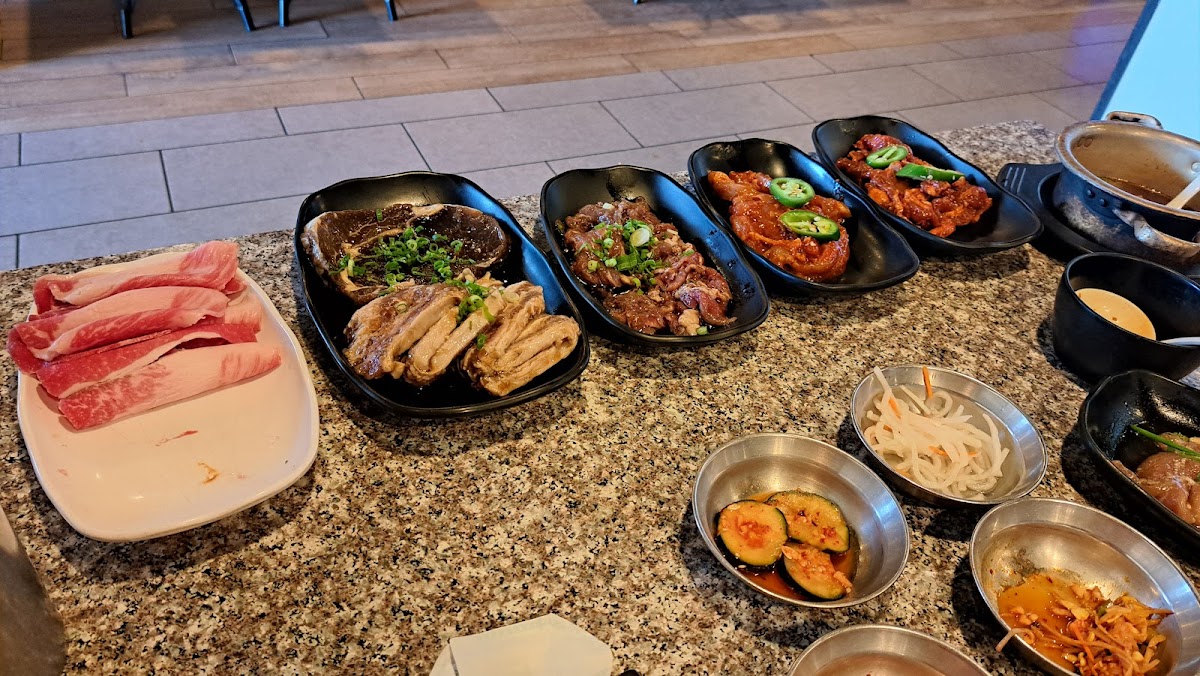
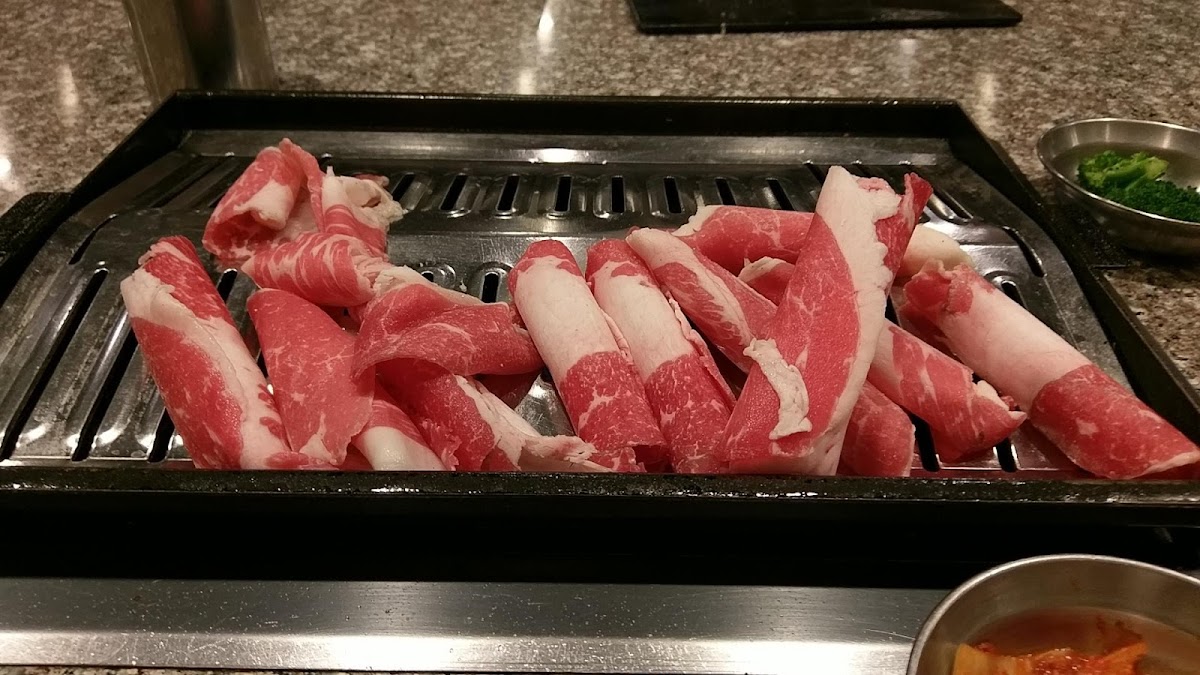
On my first visit, our server explained the menu patiently, which I appreciated since Korean barbecue can overwhelm newcomers. The process is simple but intentional: you choose your proteins, the grill is fired up, and the cooking happens right in front of you. This method isn’t just for fun. Food science research from organizations like the USDA shows that grilling at high heat locks in juices while reducing excess fat, which is why well-marbled beef cuts like ribeye or brisket shine here when cooked correctly.
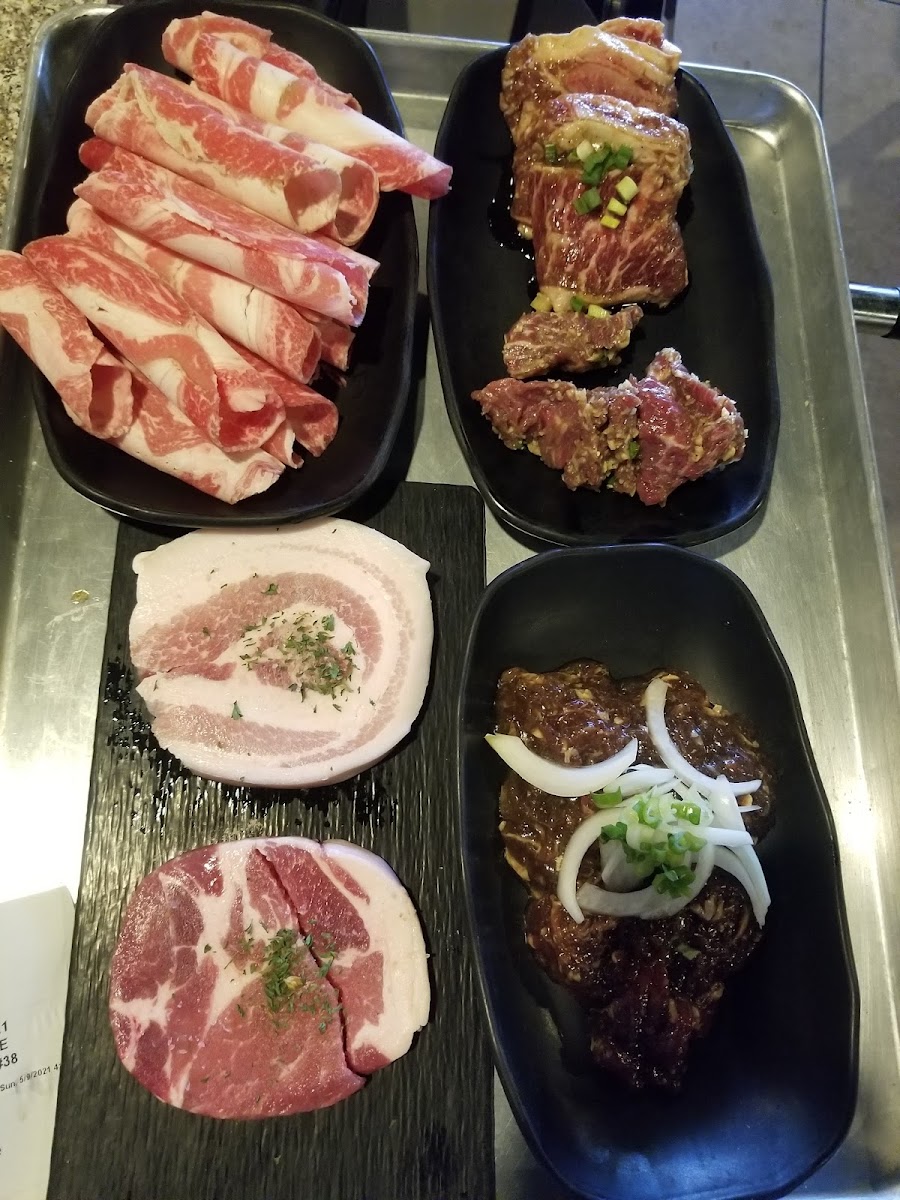
The meat quality stands out. Their beef options arrive fresh, thinly sliced, and well-marbled, which is essential for quick grilling. Pork belly is another highlight, especially when paired with crisp lettuce wraps, ssamjang, and pickled radish. I’ve brought friends who normally shy away from barbecue, and every time the combination of textures-crispy edges, tender centers, and crunchy vegetables-wins them over. It’s a good example of balance, something Korean cuisine is known for and often discussed by culinary institutes like the Korean Food Promotion Institute.
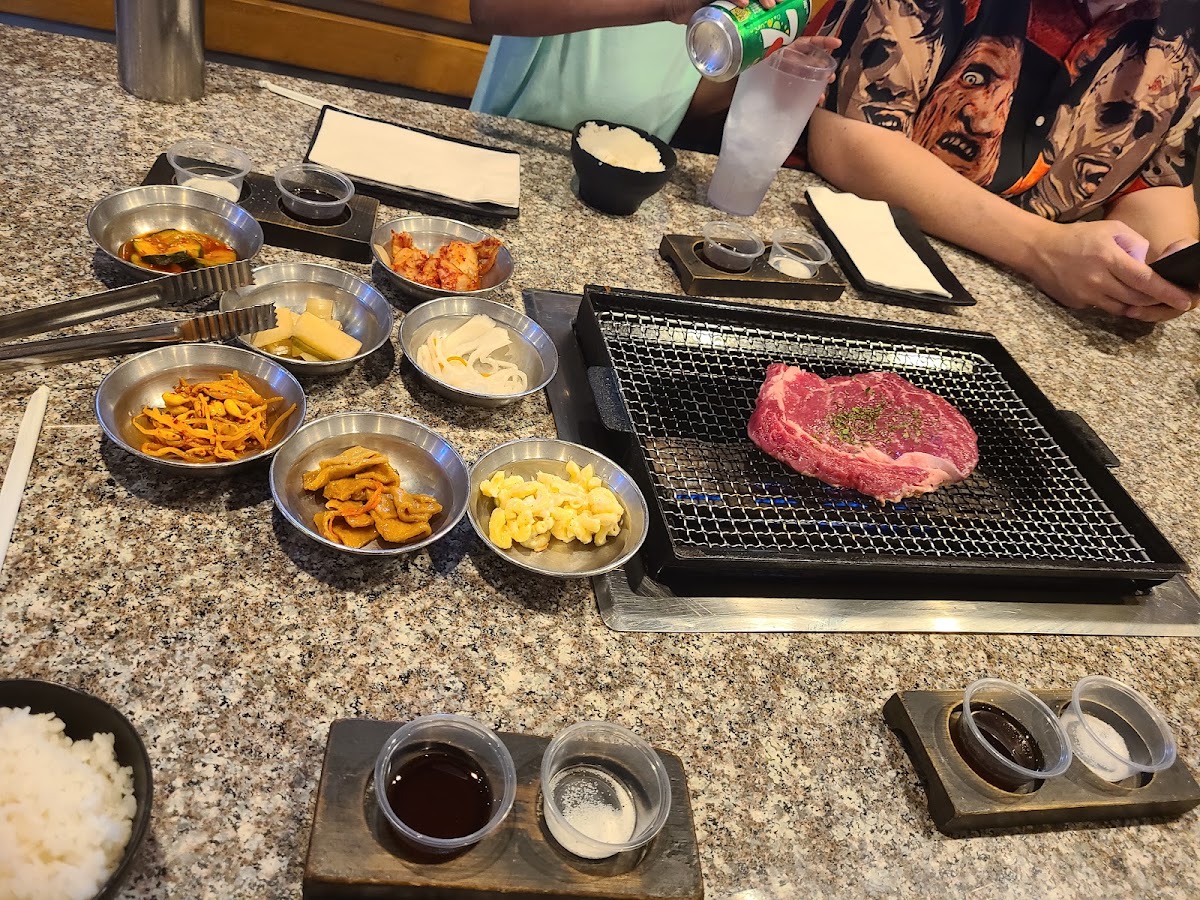
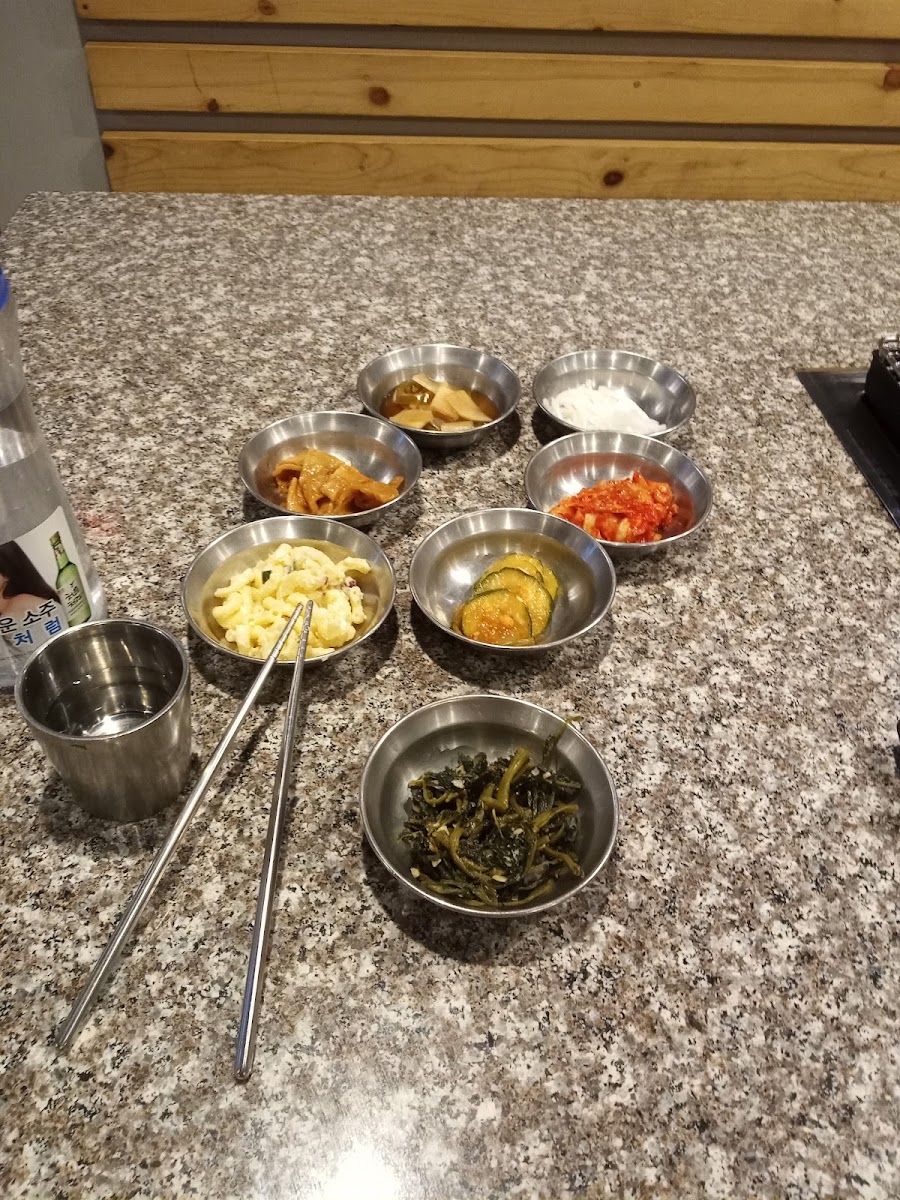
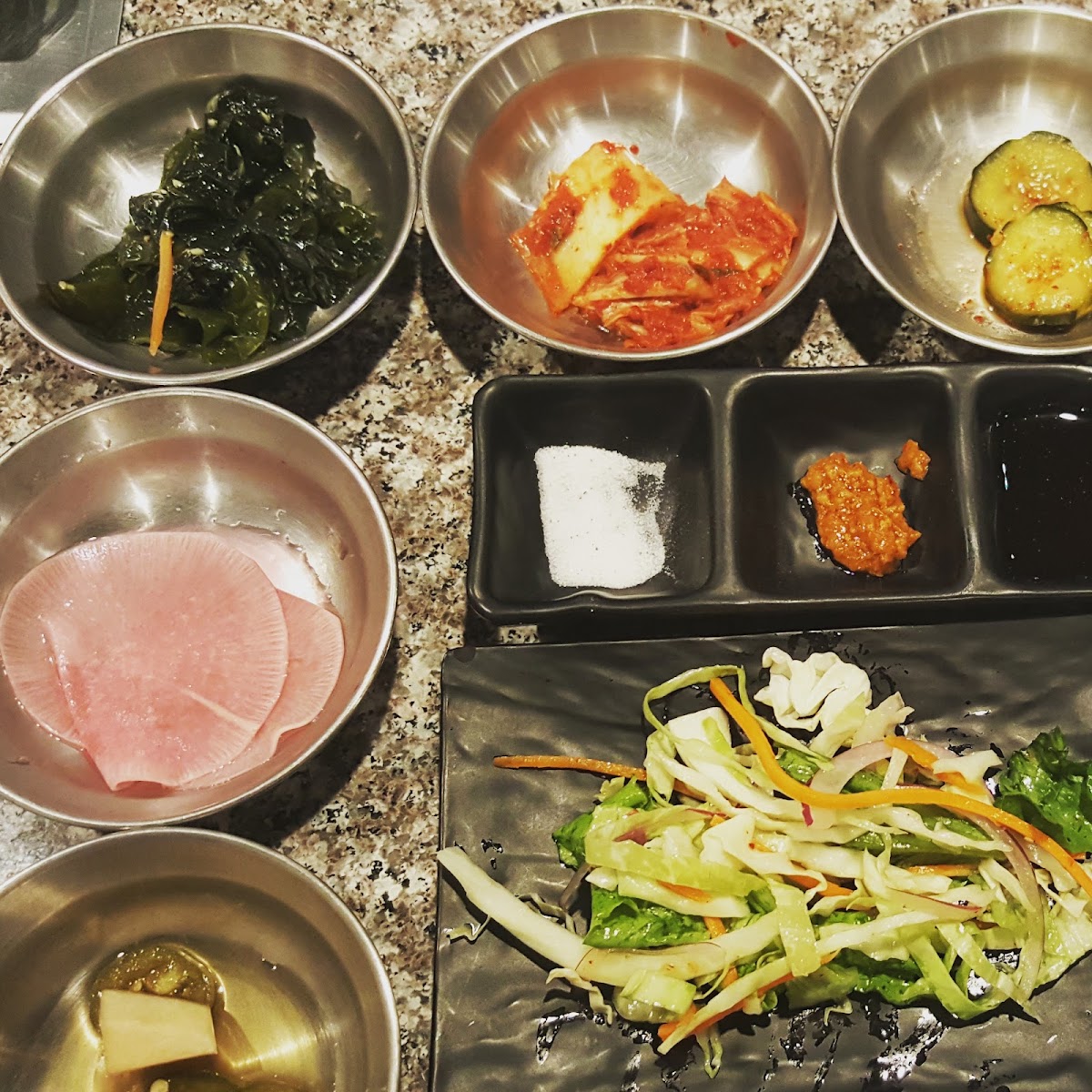
Side dishes, or banchan, are not an afterthought here. You’ll usually see kimchi, seasoned bean sprouts, and marinated vegetables rotating based on availability. Fermented foods like kimchi are widely studied for their probiotic benefits, with Harvard Health noting their role in gut health, which adds another layer of appreciation beyond flavor. The staff keeps refilling sides without being asked, which tells you they understand what diners expect.
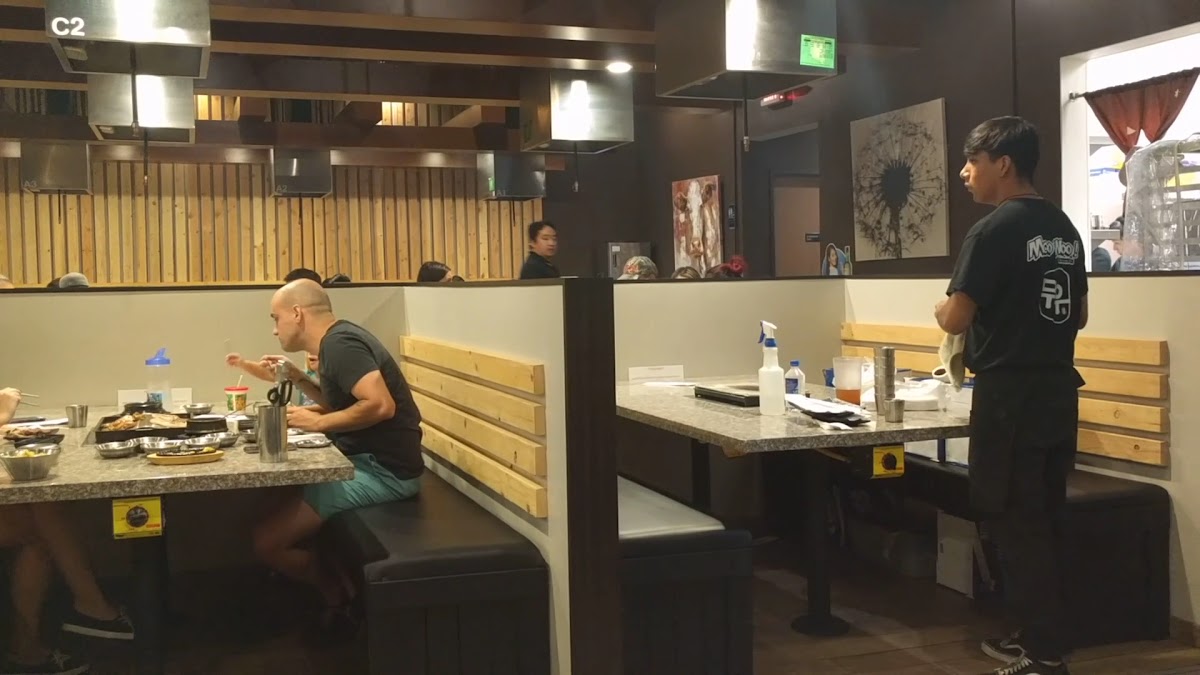
One practical detail I’ve noticed over multiple visits is how well the ventilation works. Tabletop grilling can easily turn smoky, but the overhead exhaust systems keep the air comfortable, even during peak hours. That might sound minor, but it’s a sign of thoughtful design and operational expertise. Restaurants that invest in proper ventilation tend to score higher in customer satisfaction surveys, according to data from the National Restaurant Association.
Reviews around Las Vegas often mention consistency, and I’d agree. Whether it’s a weeknight dinner or a packed weekend, the food quality and service stay steady. I’ve hosted a small birthday gathering here, and the staff handled split checks, timing, and refills smoothly without rushing us out. That reliability builds trust, especially for locals deciding where to bring visiting friends.
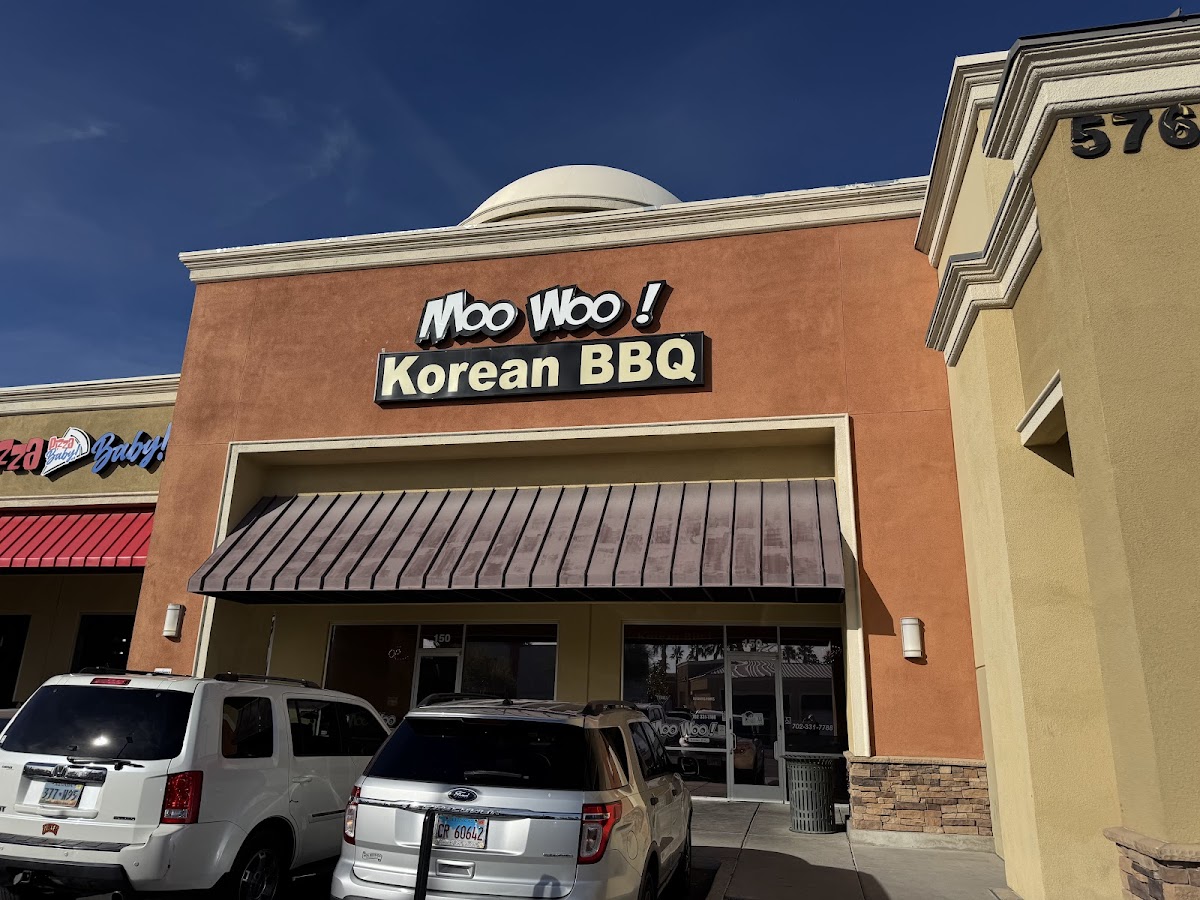
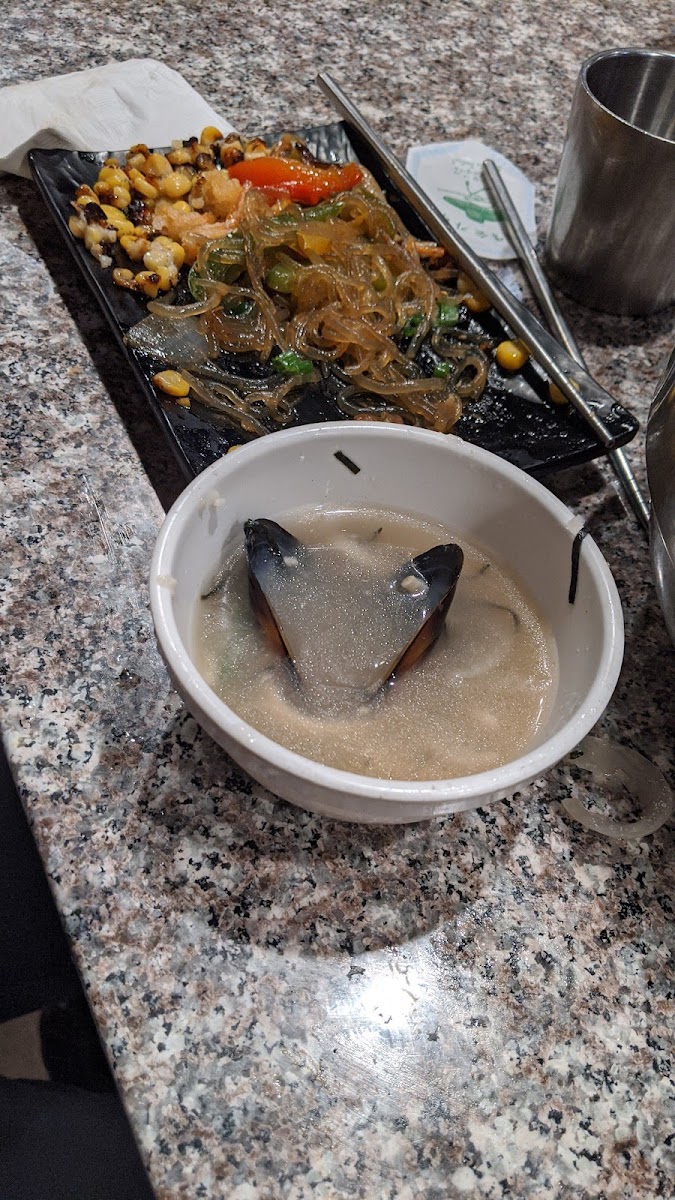
Location-wise, being in the Centennial Hills area makes it accessible for residents who don’t want to fight Strip traffic. Parking is straightforward, which matters more than people admit. While the menu focuses on Korean barbecue staples, there are enough options to keep repeat visits interesting, including seafood and chicken selections for variety.
If there’s one limitation worth noting, it’s that peak times can mean a short wait, especially on weekends. That’s fairly common for popular barbecue spots, and in my experience, the wait usually reflects the demand rather than inefficiency. Planning slightly earlier dinners helps.
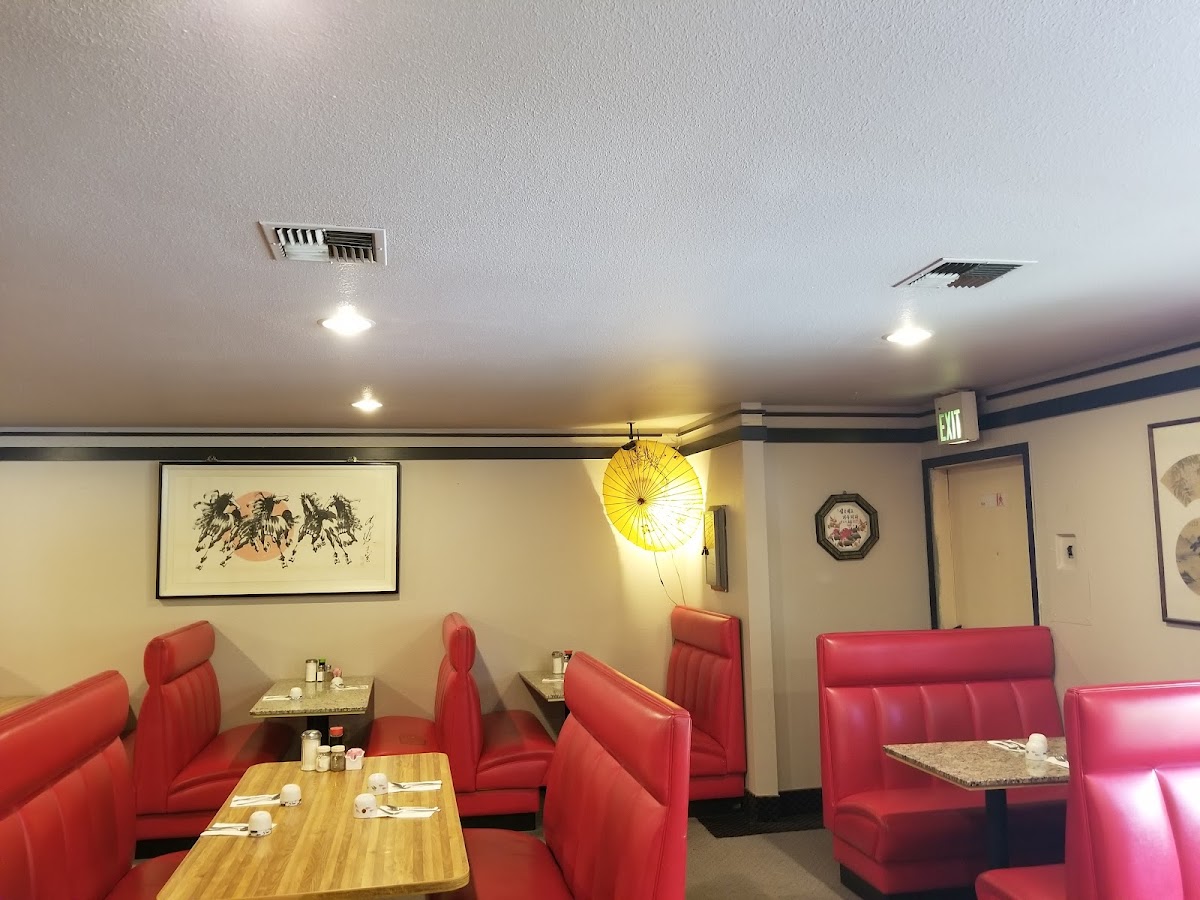
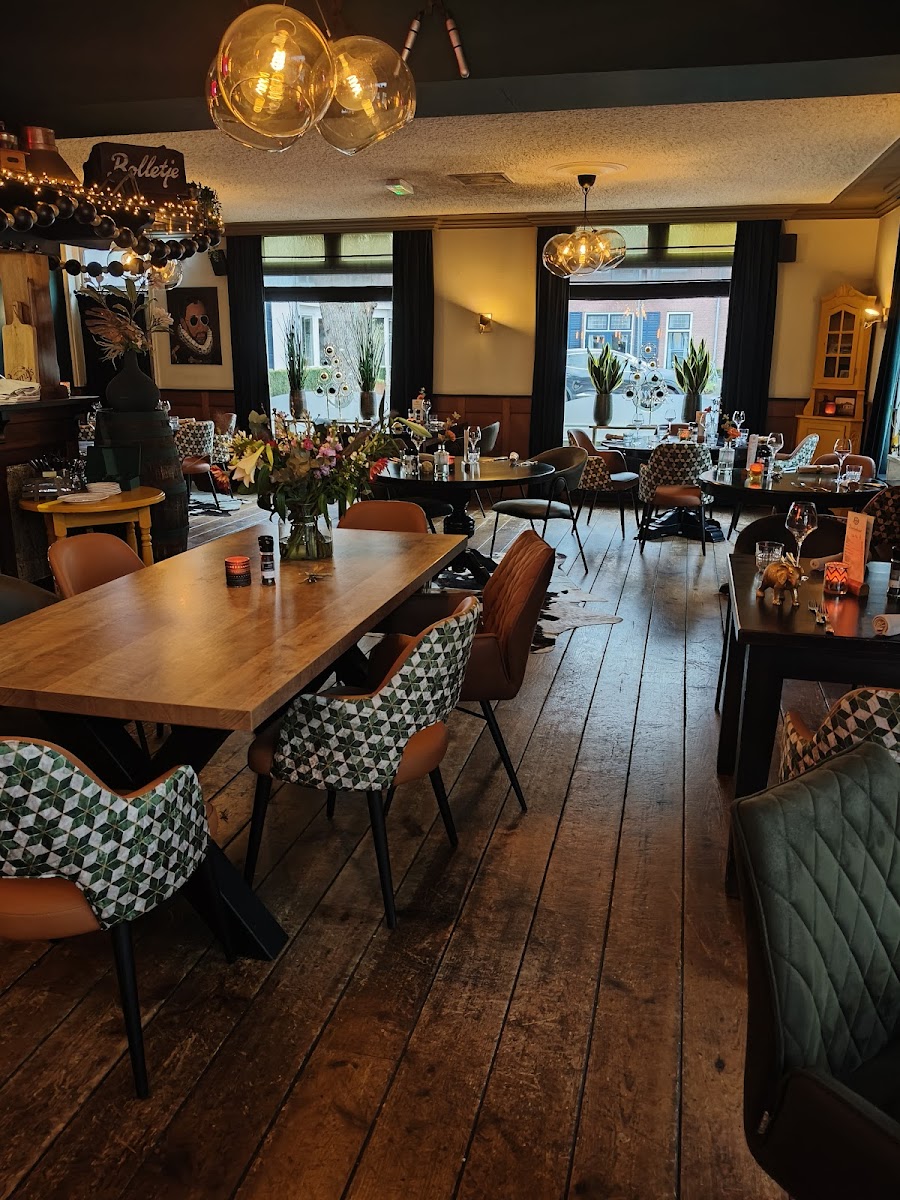
Overall, this diner-style Korean barbecue spot blends traditional techniques with a relaxed, modern atmosphere. Between the interactive cooking, attentive service, and consistently good reviews, it’s easy to see why it’s become a regular stop for both locals and visitors looking for a solid Korean barbecue experience in Las Vegas.